
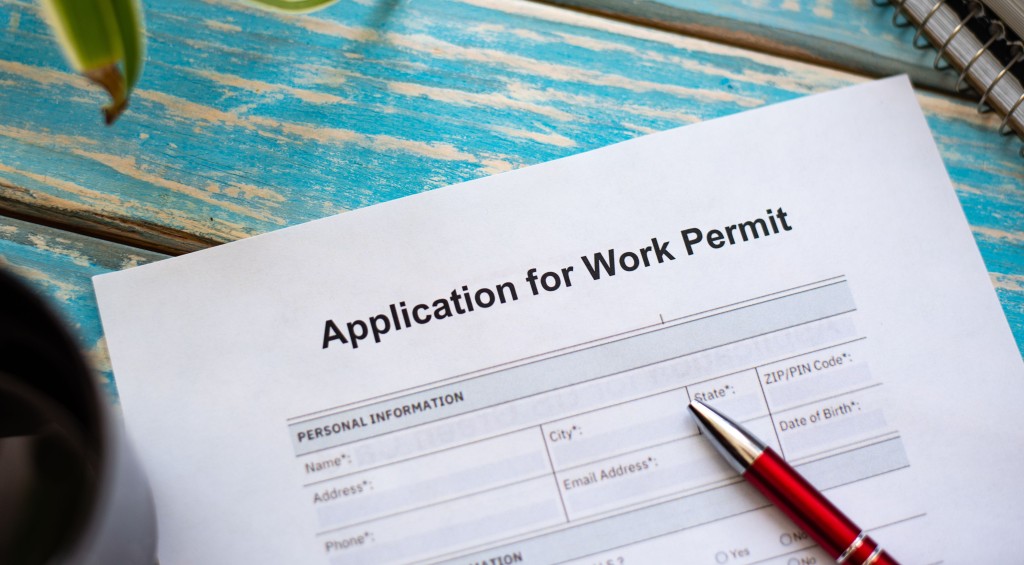
If you want to work legally in Poland, it is important to understand which documents you need before starting employment. Depending on your nationality, you may qualify for a simplified statement procedure or you may need a work permit. This guide explains who needs which document, what types of permits exist, and how to make sure your job in Poland is fully legal and compliant with current regulations.
Two Main Legal Paths to Work in Poland
Foreign nationals who want to work legally in Poland must follow one of two primary legal procedures: the Statement of Employment procedure (Oświadczenie o powierzeniu wykonywania pracy cudzoziemcowi) or the Work Permit procedure (Zezwolenie na pracę).
Which procedure applies depends mainly on the worker’s citizenship, the type of employment, and the duration of work. These rules are regulated under Polish labour and migration law and are explained in detail by the Office for Foreigners as well as the Ministry of Family and Social Policy.
Understanding the difference between these two procedures is essential for both workers and employers to avoid illegal employment and financial penalties.
What Is the “Statement of Employment” (Oświadczenie)?
The Statement of Employment procedure is a simplified system that allows Polish employers to hire citizens of specific countries without applying for a traditional work permit.
According to the official information published by Zielona Linia – Public Employment Services, this procedure applies only to citizens of:
- Ukraine
- Belarus
- Moldova
- Armenia
- Georgia
Under this system, an employer registers a statement at the local Labour Office before the foreigner starts work. Based on this registration, the foreigner can legally work in Poland for up to 24 months.
The legal framework for employing foreigners under simplified procedures is described by the Ministry of Family and Social Policy.
Important conditions include:
- the employer must register the statement before employment begins;
- the foreigner must have legal residence in Poland (e.g. visa or residence card);
- the employment conditions must match those declared in the statement.
If any of these conditions are not fulfilled, the work may be considered illegal.
What Is a Work Permit?
A Work Permit (Zezwolenie na pracę) is the standard legal authorisation required for most non-EU citizens who want to work in Poland.
As explained by the Office for Foreigners, a work permit is issued by the Voivode (regional governor) and allows a specific foreigner to work for a specific employer under defined conditions (position, salary, workplace).
A work permit is required for:
- citizens of non-EU countries not covered by the statement procedure;
- employment exceeding the maximum duration allowed under a statement;
- certain types of work that require additional authorisation
There are several types of work permits in Poland. The most common are:
- type A Work Permit – for foreigners employed by a Polish employer;
- seasonal Work Permit – for employment in agriculture, horticulture, tourism and related seasonal sectors.
Seasonal work permits are regulated under separate provisions, described by Zielona Linia – Seasonal Work Permit.
It is important to note that a work permit is employer-specific. If a foreign worker changes employer or position, a new permit is usually required.
Who Can Use the Simplified Employment Procedure in Poland?
Poland applies a simplified employment system that allows certain foreign nationals to work without a standard work permit. However, this procedure is strictly limited to a defined group of countries and operates under clearly regulated conditions. It is not a general exemption for all migrants, but a specific legal mechanism designed to simplify access to the Polish labour market for selected nationalities.
Which nationals qualify for the statement-based employment system
The simplified “Statement of Employment” procedure applies exclusively to citizens of five designated countries. Nationals of these countries may be employed without obtaining a standard work permit, provided that their employer registers a statement at the local Labour Office before employment begins. This system allows employment for a defined maximum period and requires full compliance with Polish labour regulations.
It is important to underline that eligibility is determined strictly by citizenship. Holding a residence permit or studying in Poland does not automatically grant access to this simplified procedure if the nationality requirement is not met.
Duration limits and legal conditions of the statement procedure
Under current regulations, employment based on a registered statement may last up to 24 months. However, the procedure is conditional and requires:
- legal residence in Poland,
- employment strictly under the conditions declared in the statement,
- compliance with Polish minimum wage and labour standards,
- no change of employer without new documentation.
If the employment continues beyond the permitted duration, or if working conditions change substantially, the employer must apply for a standard work permit. Failure to meet these requirements may result in administrative consequences for both the worker and the employer.
Who Needs a Work Permit to Work in Poland?
Whether a foreigner needs a work permit in Poland depends primarily on their citizenship. Polish law clearly divides access to the labour market into three categories:
- Citizens of the European Union / EEA / Switzerland – free access to the labour market.
- Citizens of selected countries eligible for the simplified Statement procedure.
- All other non-EU nationals – work permit required.
EU, EEA and Swiss citizens – no work permit required
Citizens of EU Member States, as well as Norway, Iceland, Liechtenstein and Switzerland, have full access to the Polish labour market under EU freedom of movement rules.
They do not need:
- a work permit,
- a statement of employment,
- any additional labour authorisation.
They may work in Poland under the same conditions as Polish citizens.
All other non-EU nationals – work permit required
Foreign nationals from countries outside the EU who are not covered by the simplified statement procedure must obtain a work permit before starting employment.
This applies to citizens of countries such as:
- India
- Nepal
- Bangladesh
- Pakistan
- Philippines
- Indonesia
- Vietnam
- China
- Uzbekistan
- Kazakhstan
- Kyrgyzstan
- Tajikistan
- Azerbaijan
- Turkey
- Egypt
- Nigeria
- Kenya
- Morocco
- Brazil
- Colombia
- and all other non-EU countries not included in the simplified statement system.
A work permit is required unless a foreigner falls under a specific exemption defined by law.
The most common permit is:
- Type A Work Permit – for employment with a Polish employer.
In certain sectors such as agriculture, horticulture or tourism, a Seasonal Work Permit is required, regulated separately under Polish labour law.
Working without the proper authorisation may result in:
- financial penalties,
- administrative sanctions,
- potential issues with residence status.
Types of Work Permits in Poland
Foreign nationals who are not eligible for the simplified statement procedure must obtain a work permit before starting employment in Poland. Polish law provides several types of work permits, depending on the type of employment and the sector.
The general framework regulating work permits is described by the Office for Foreigners and the Ministry of Family and Social Policy. The most commonly used permits for regular employment are Type A and the Seasonal Work Permit.
Type A Work Permit – Standard Employment
The Type A Work Permit is the most common work authorisation issued in Poland. It applies when a foreigner is employed by a Polish employer based in Poland.
According to the Office for Foreigners – Work Permit Information, a Type A permit is required when:
- a foreigner performs work in Poland under an employment contract or civil-law contract;
- the employer has its registered office or place of business in Poland;
- the foreigner is not exempt from the obligation to hold a permit.
This permit is:
- employer-specific;
- position-specific;
- salary-specific
This means that if the foreign worker changes employer, job position, or key employment conditions, a new permit is usually required.
The application is submitted by the employer to the Voivodeship Office (Urząd Wojewódzki), and the decision is issued by the Voivode (regional governor).
Type A permits are typically issued for a defined period, often matching the employment contract duration.
Seasonal Work Permit – Agriculture, Tourism, Food Processing
For certain sectors defined as seasonal, Poland requires a separate Seasonal Work Permit (Zezwolenie na pracę sezonową).
As explained by Zielona Linia – Seasonal Work Permit, this permit applies mainly to:
- agriculture;
- horticulture;
- fruit and vegetable harvesting;
- tourism and hospitality;
- certain food processing activities.
Seasonal work permits are usually issued for a maximum of 9 months within a calendar year.
The procedure differs from the standard Type A permit because:
- it is issued by the District Labour Office (Powiatowy Urząd Pracy);
- it applies only to officially designated seasonal sectors;
- it may involve additional checks depending on the worker’s nationality.
Foreign nationals from non-EU countries who are not covered by simplified procedures must obtain this permit before starting seasonal employment.
Failure to obtain a seasonal permit when required may result in administrative penalties and legal consequences for both the employer and the worker.
What Happens If You Work Without Proper Documents?
Working in Poland without the required authorisation — whether a registered statement or a valid work permit — is considered illegal employment. Polish law clearly regulates the consequences of unlawful work for both the foreign worker and the employer.
The legal basis for sanctions is outlined in the Act on the Promotion of Employment and Labour Market Institutions and is explained by the Office for Foreigners as well as by the National Labour Inspectorate (PIP).
Illegal employment may result in financial penalties, administrative proceedings, and in serious cases, further immigration consequences.
Consequences for the Worker
If a foreign national performs work without the required authorisation, several consequences may follow.
According to official information provided by the Office for Foreigners:
- the foreigner may receive a financial fine;
- the authorities may initiate proceedings to oblige the foreigner to return to their country of origin;
- future visa or residence applications may be negatively affected;
- the foreigner may be banned from re-entering Poland or the Schengen Area for a specified period.
In addition, working illegally means:
- no legal protection under Polish labour law;
- no guaranteed wage enforcement;
- no access to social security benefits linked to employment.
This significantly increases the risk of exploitation and unpaid wages.
Consequences for the Employer
Employers who hire foreigners without proper documentation also face serious legal consequences.
As stated by the National Labour Inspectorate (PIP) and the Ministry of Family and Social Policy, employers may face:
- financial penalties (fines can be substantial depending on the violation);
- administrative proceedings;
- ineligibility to apply for future work permits for foreign workers;
- criminal liability in cases of repeated or intentional violations.
Additionally, during inspections conducted by the Labour Inspectorate or Border Guard, employers must present valid employment documentation. Failure to do so may result in sanctions.
Illegal employment exposes companies to reputational risk and operational disruption, particularly if multiple workers are involved.
How to Work Legally in Poland Step by Step
Working legally in Poland requires following a structured process defined by Polish labour and migration law. The procedure depends on your nationality, type of job, and duration of employment. However, the overall process follows several key steps that every foreign worker should understand.
Documents Needed
To work legally in Poland, a foreign national generally needs:
- a valid passport;
- legal residence in Poland (visa, residence card, or other lawful basis of stay);
- a registered Statement of Employment (if eligible) or
- a valid Work Permit (Type A or Seasonal Permit, depending on the job);
- a signed employment contract (employment contract or civil-law contract).
If a work permit is required, the employer must submit the application to the appropriate Voivodeship Office. The permit is issued for a specific employer and position.
Employment must begin only after the appropriate document (statement or permit) is legally issued and registered.
How Agencies Like Intraservis Job Handle the Process
Navigating Polish labour regulations can be complex, especially for first-time migrants. Recruitment agencies play an important role in ensuring full legal compliance and reducing the risk of mistakes.
Agencies such as Intraservis Job support foreign workers by:
- verifying which legal procedure applies (statement or work permit);
- preparing and submitting the necessary documentation;
- coordinating the work permit application process with the Voivodeship Office;
- ensuring employment conditions meet legal standards;
- assisting with accommodation and job placement;
- matching candidates with verified employers.
Intraservis Job helps foreign workers not only obtain the required employment authorizations but also find legal, contract-based jobs in sectors where there is real demand. By handling administrative procedures and ensuring compliance with Polish law, the agency reduces the risk of illegal employment and protects both the worker and the employer.
Working through a licensed and compliant recruitment agency significantly increases the safety and transparency of the employment process.